IMPACT REPORT
Processing Foundation's 2025 impact report highlights a period of significant organizational evolution and programmatic growth. The nonprofit strengthened its shared leadership model while advancing its mission to make creative coding accessible through education, open source community building, and innovative programs. Technical achievements include Processing's return to monthly releases, the launch of p5.js 2.0, and new features in the p5.js Editor. Community engagement has become more robust across software projects. In addition, Processing Foundation deepened its commitment to the "consumer → creator → contributor" pathway, introducing learners to open source values and methodologies while expanding fellowship programs to support artists, educators, and coders.
Table of Contents

Dear Processing Community,
The past year was one of immense growth and change for Processing Foundation. Honoring our roots in community-driven efforts that prioritize collaboration, equity, and access, the Board of Directors developed a shared leadership structure, with two co-executive directors at the helm. This decision was intended to set up exciting possibilities for our strategic direction, governance structures, and long-term sustainability. Through a shared leadership model, we saw a greater capacity for cross-program alignment and operationalized new structures that bridge art, software, and educational programs.
Under this new leadership, an engineering team has been assembled, with Kit Kuksenok stepping in as the p5.js Project Lead, and Moon Davé joining as the Processing Project Lead. With the support of dedicated contributors, major releases of Processing 4 (code repository) and p5.js 2.0 (code repository), as well as new features in the p5.js Editor became a reality. The Processing Foundation Fellowship supported emerging artists, educators, and coders by developing programming and community partnerships across five focus areas: Archival Practices, Open-Source Governance, Disability Justice, AI & Accessibility, and Data Storytelling. Google Summer of Code and pr05 supported early- and mid-career developers by providying them the opportunity to solidify software infrastructure and create prototypes that expanded the possibilities of p5.js and the p5.js Editor. The Art + Code professional development series introduced K-12 educators and their students to the expressive and innovative possibilities of creative coding.
Processing Foundation’s impact was connected by artists, coders, and educators across oceans:
“The most rewarding part of all this is that I got to make a real impact — not someday in the future, but now. As a college student, I helped bring a long-requested feature to life, touched by so many hands, and about to be used by thousands of people around the world.” — Vivek Bopaliya, p5.js Editor Contributor, Gujarat, India.
"I learned so much and truly wouldn't have come this far without your warm and careful support. The opportunity to be a fellow has been life-changing. I look forward to continuing to be a part of the community and an active contributor." — Daniel Corbani, 2025 Processing Foundation Fellow and creator of Luna Video Mapping Library, São José dos Campos, Brazil.
“What really stands out to me is how deeply the Processing Foundation values the perspectives of K-12 educators and centers access, inclusion, and justice in its priorities. Being part of a community that actively supports all learners in creating in ways that honor their languages, cultures, and lived experiences gives me a lot of hope for the future! The real magic is in the community, and I’m grateful for continued opportunities to be a contributor in ways that feel joyful and meaningful for me and for my students.” — Adrienne Gifford, 2024 Art + Code Participant, Washington, United States.
Community engagement deepened the meaning of everything we do. The organization advanced a "code consumer → code creator → code contributor" pathway, introducing learners to open source values and methodologies while expanding programs that support diverse artists, coders, and educators. Regular synchronous meetings and asynchronous conversations on the p5.js and Processing Discord servers brought contributors together across time zones, turning dialogues into tangible improvements to both projects. Google Summer of Code contributors and mentors carried their participation forward beyond the program, transitioning into stewardship and maintenance roles that strengthen the long-term health of p5.js. Art + Code professional development series connected K-12 educators to the creative coding community, and Processing Foundation Fellows built lasting relationships with alumni networks that continue to grow. We engaged meaningfully with our community on generative AI's impact on creative coding education, listening to diverse perspectives as these technologies continue to evolve — and that conversation will remain ongoing.
All of our work—software releases, fellowships, educational programs, and community engagement initiatives—affirms Processing Foundation’s belief that access to open-source creative coding software, free from proprietary constraints, corporate gatekeeping, and social-economic barriers, moves us closer to a liberatory future. Built over two and a half decades of community organizing, Processing now includes contributors from all six continents, bringing diverse perspectives that strengthen and enrich our ecosystem.
Processing Foundation’s mission flourishes because of an extraordinary community of creators, contributors, educators, and donors who make it possible. To each person who has contributed their time, expertise, resources, and/or advocacy: Thank you.
President
Vice-President
Co-Executive Director
Co-Executive Director

The Mission
Our mission is to promote software learning within the arts, artistic learning within technology-related fields, and to celebrate the diverse communities that make these fields vibrant, liberatory, and innovative.
Our goal is to support people of all backgrounds in learning how to program and make creative work with code, especially those who might not otherwise have access to tools and resources. We also believe that some of the most radical futures and innovative technologies are being built by communities that have been pushed to the margins by dominant tech. We hope to support those who have been marginalized by technology in continued self-determination by providing time, space, and resources.
At our core is the philosophy and politics of FLOSS (Free, Libre, Open Source Software). We see software as a medium, and a means for thinking and making. We believe that learning to program is not only about acquiring a certain skill set, but also about developing a creative and exploratory process. We believe software, and the tools to learn it, should be accessible to everyone.

The People
Processing Foundation's mission is stewarded by a small but mighty team. With backgrounds spanning creative technology, software engineering, education, and non-profit operations, the team shares one core commitment: to build a digital commons where creative autonomy and computational literacy flourish.
You can learn more about the team’s individual and shared responsibilities on the Processing Foundation website.
| Leadership | Co-Executive Director | 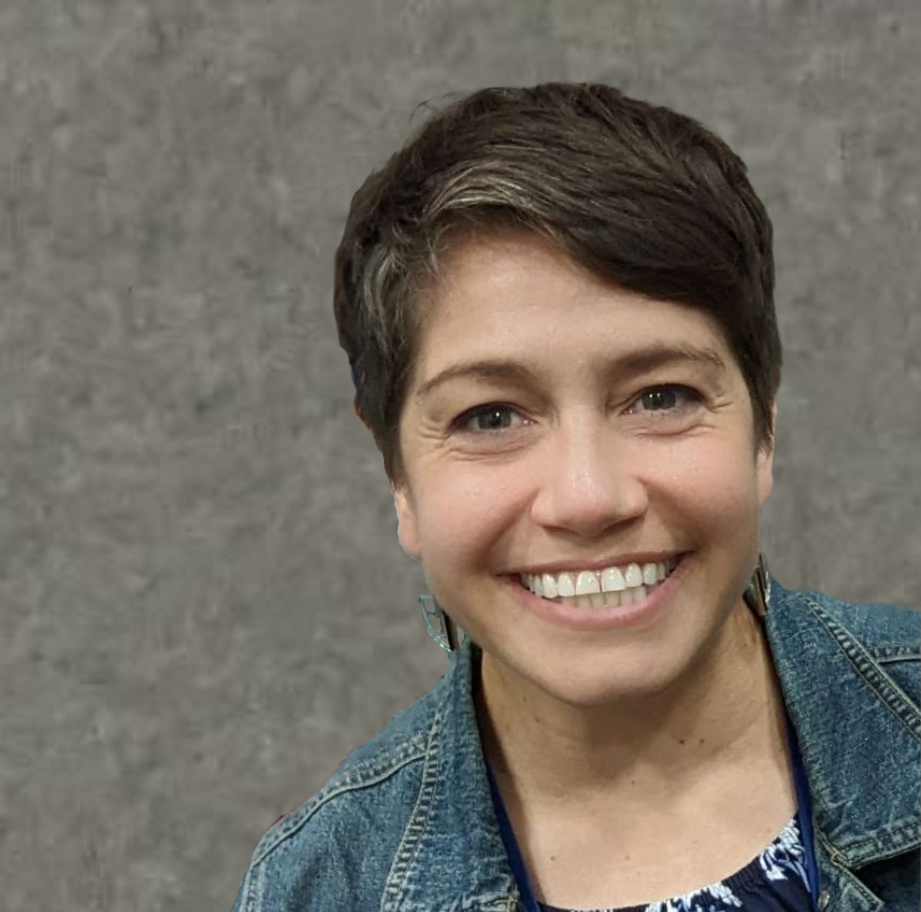 | Roxana Hadad |
|---|---|---|---|
| Co-Executive Director | 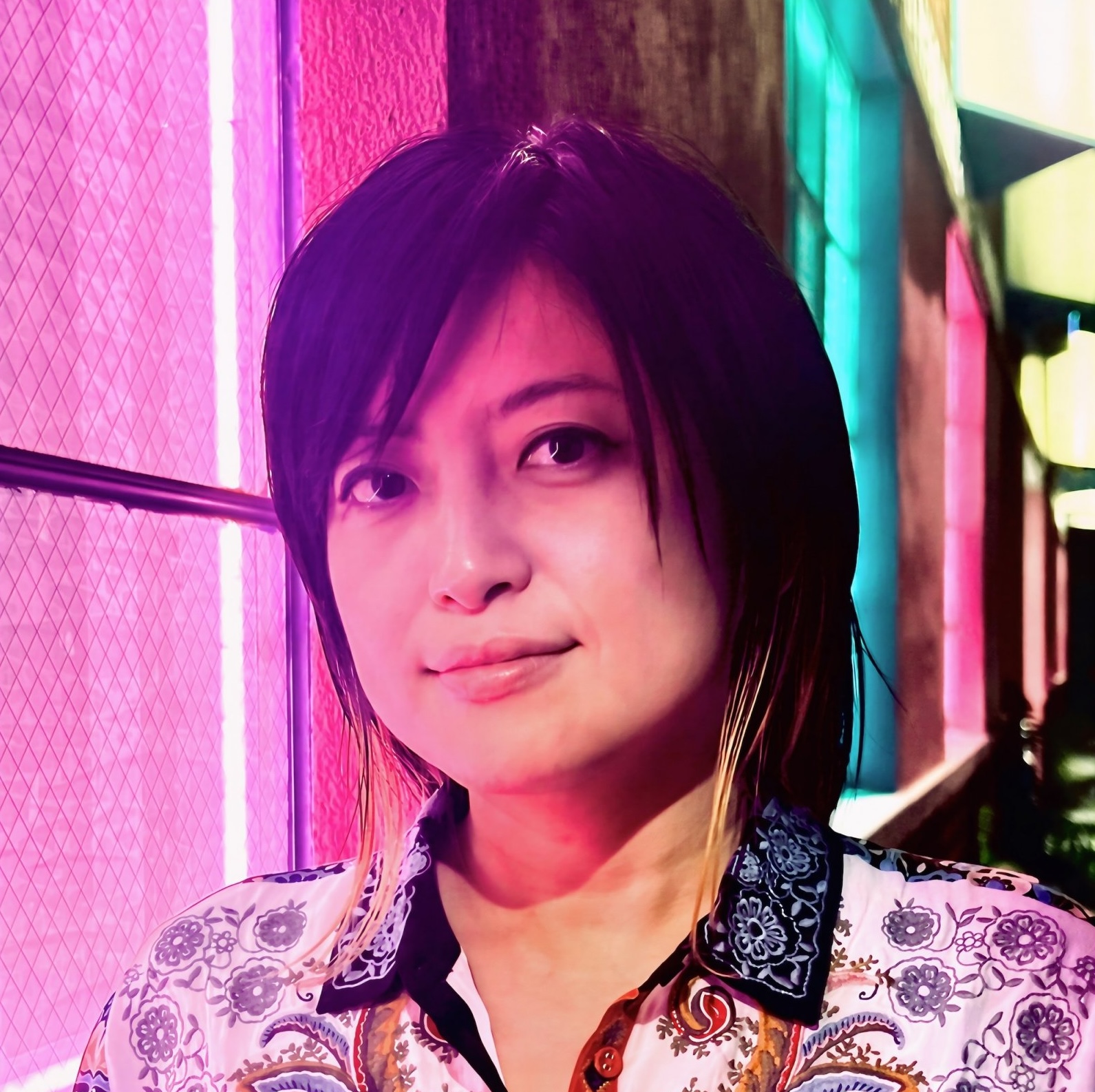 | Xin Xin | |
| Engineering Team | Engineering Manager / p5.js Project Lead | 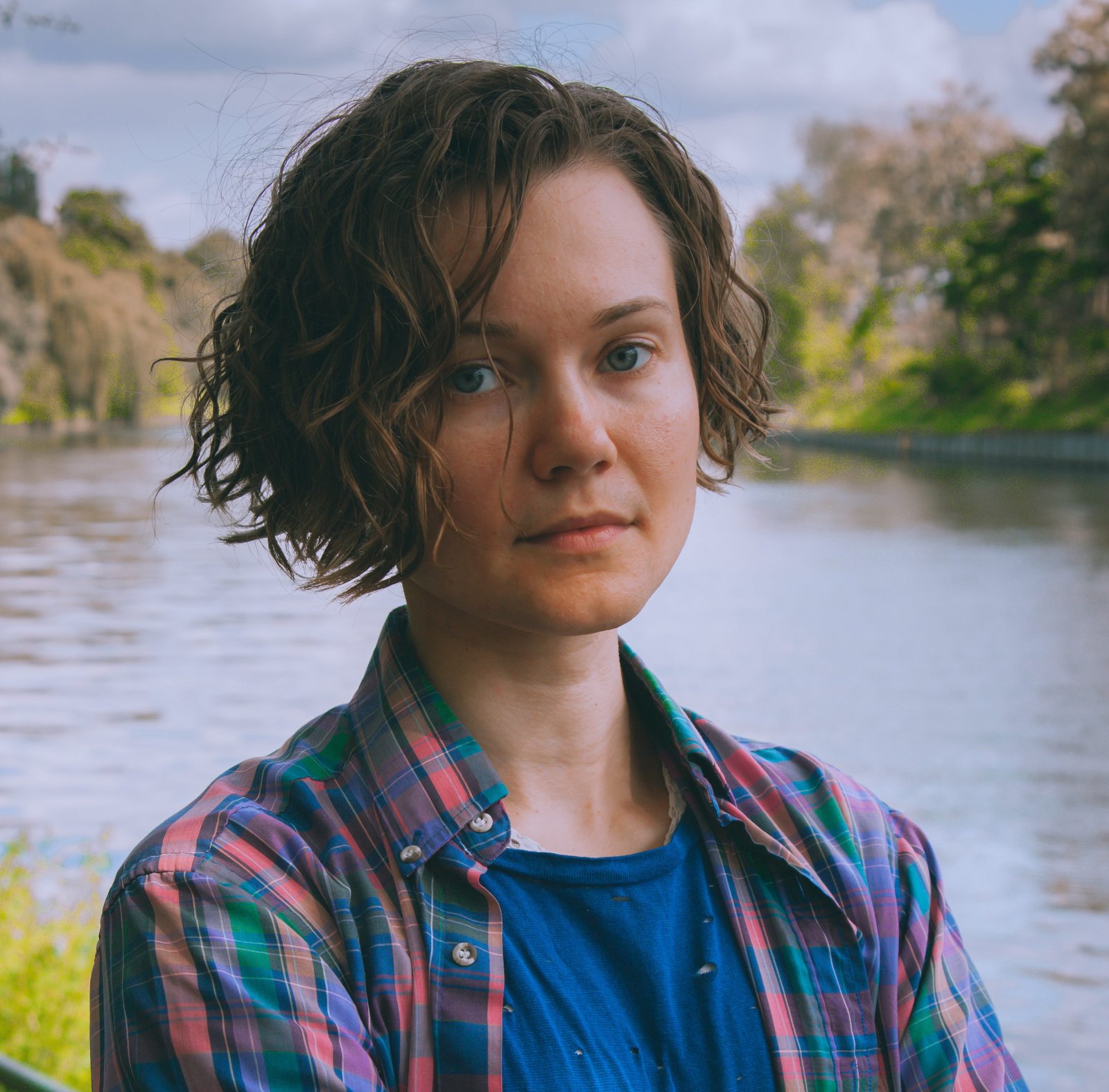 | Kit Kuksenok |
| Processing Project Lead | 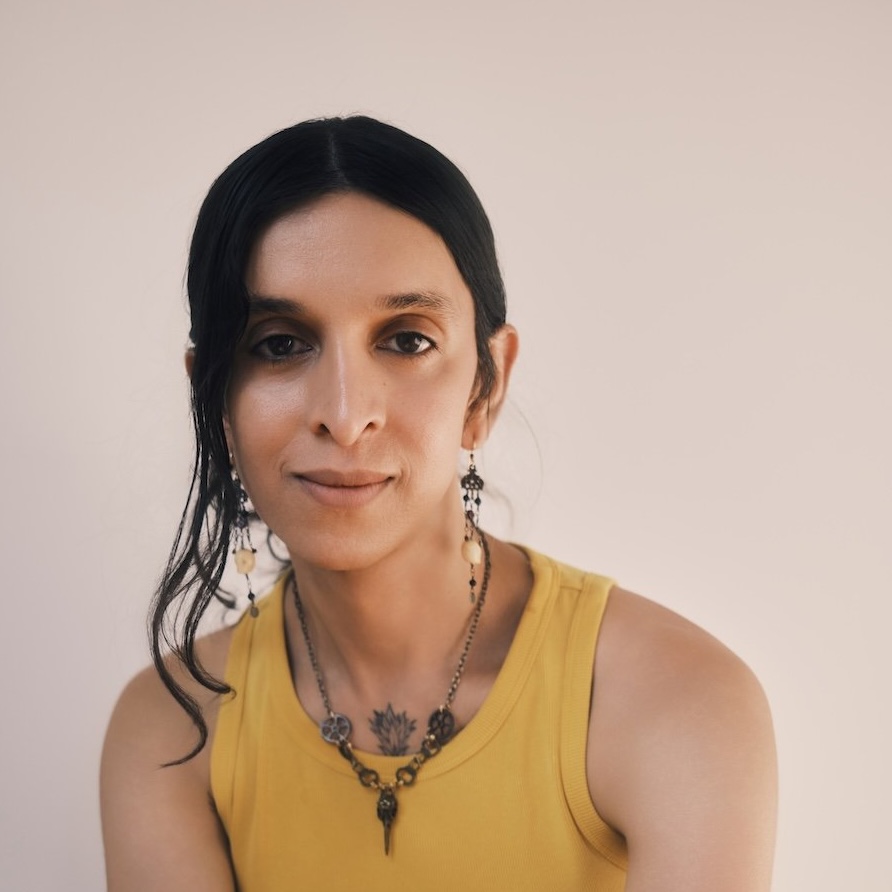 | Moon Davé | |
| p5.js Editor Project Lead | 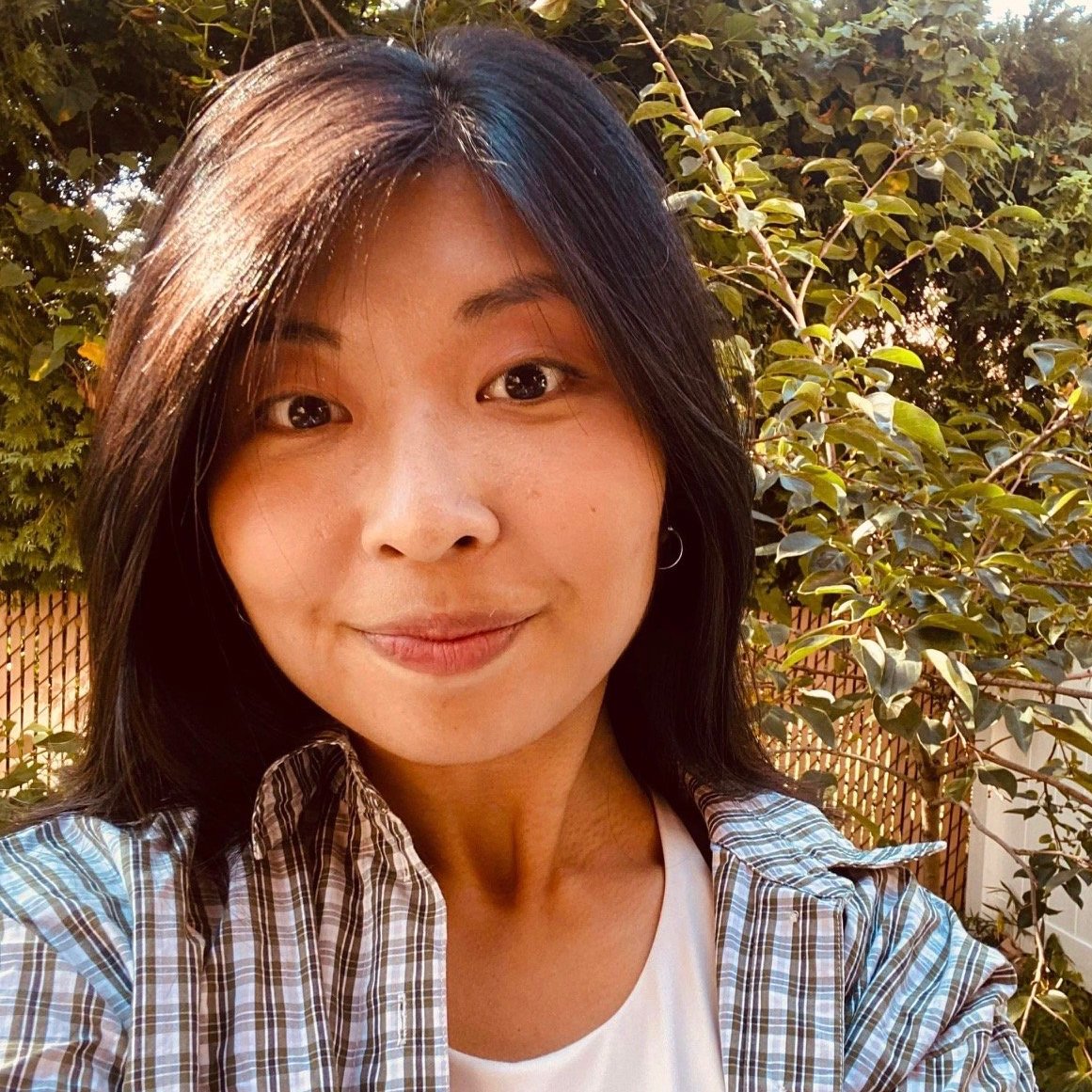 | Rachel Lim | |
| Programs Team | Director of Fellowship Program | 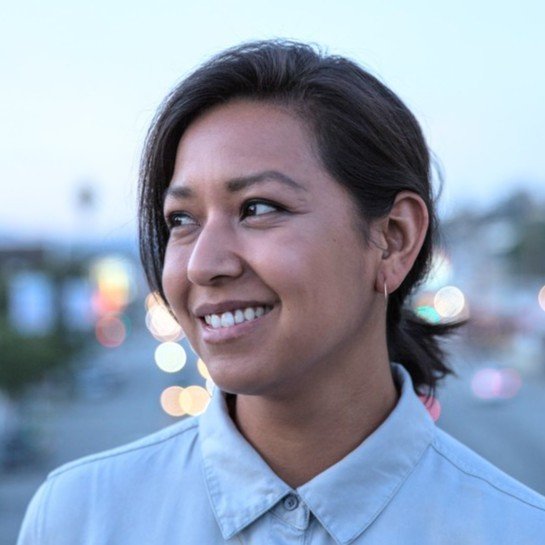 | Amy B. Woodman |
| Processing Community Lead | 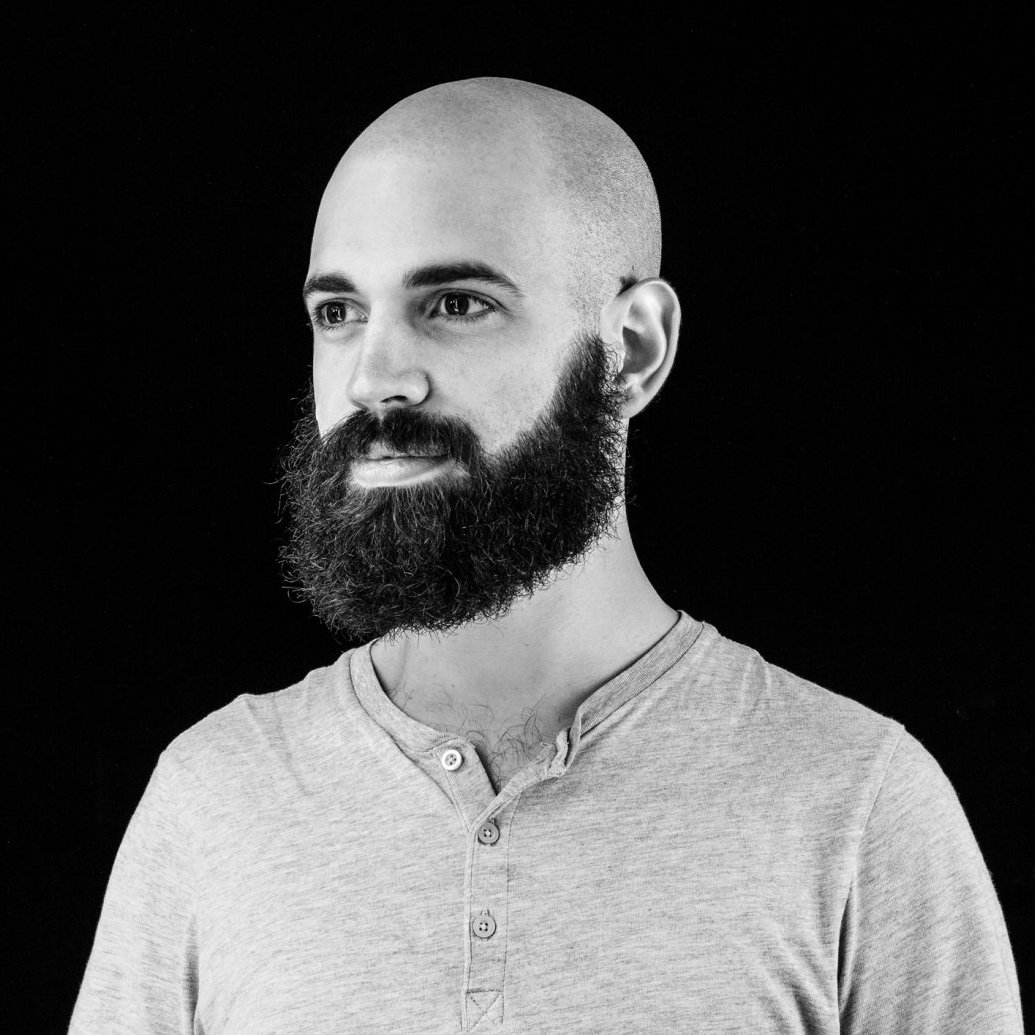 | Raphaël de Courville | |
| Director of Creative Technology |  | Qianqian Ye | |
| Operations Team | Finance Manager |  | Charles Reinhardt |
| Communications Manager | 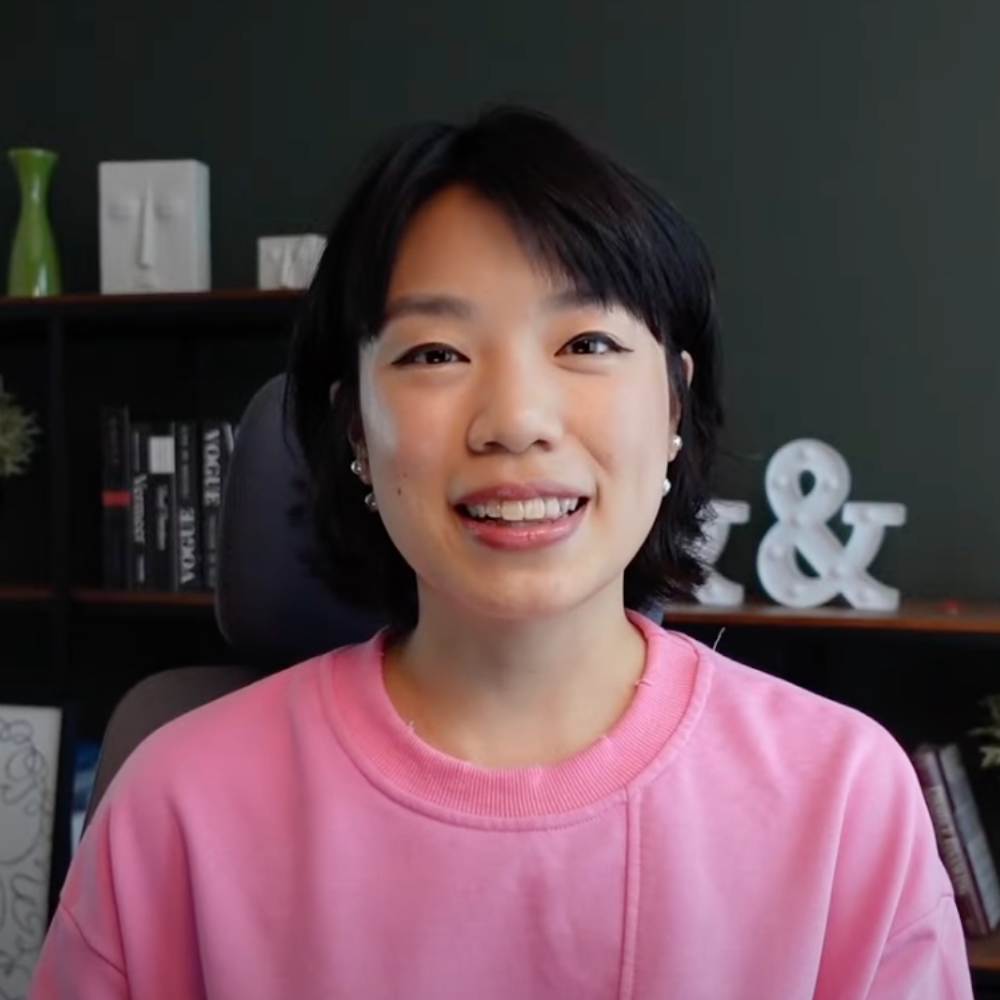 | Patt Vira | |
| Alums | Interim Executive Director (2023~2024) | 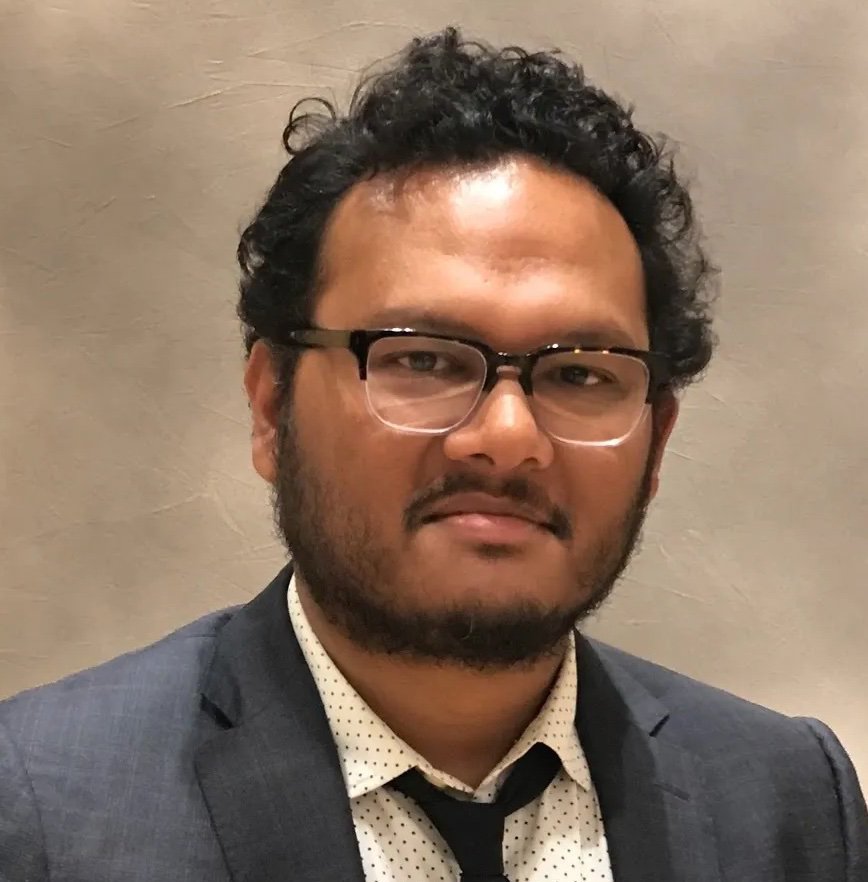 | Saber Khan |
| Programs and Communications Coordinator (2022~2025) |  | Sonia Choi | |
| Program Manager (2023~2024) |  | Tsige Tafesse |
The State of p5.js and Processing
p5.js and Processing have each reached meaningful new chapters — not just as software releases, but as expressions of what these communities have grown to become.

p5.js 2.0 is the story of a library pausing to ask itself a hard question: after twelve years of making creative coding accessible on the web, where does the project stand in relation to the evolution of the Internet? p5.js started in 2013 to imagine what Processing would look like if it had been invented 12 years later, building on the latest potentials of the web to democratize creative expression. By 2025, JavaScript and web standards had reached a new milestone — and so had p5.js. The 2.0 release empowers artists and learners to work with variable fonts, animate text with greater typographic control, apply GPU-accelerated shaders directly in JavaScript without needing to use GLSL, and work with expanded color spaces, including LAB, LCH, and OKLCH for richer, more expressive palettes.

Processing 4 tells a quieter but equally important story: not one of new inventions, but of a foundation that has only grown stronger over twenty-five years of creative work built with the legacy software. Processing 4 focused on major behind-the-scenes improvements with the primary goal of keeping code running smoothly on the latest hardware and operating systems — ensuring that the sketchbooks of artists, educators, and students worldwide would continue to run across macOS, Windows, and Linux without friction. Processing's core libraries are now available on Maven Central, making it easier to integrate Processing into Java projects. For the longtime Processing community, version 4 is a promise kept: the tool they learned on and make art with is here to stay.

The reach of Processing and p5.js speaks for itself. In 2025, Processing 4 has been downloaded nearly a million times and continues to find its way into classrooms, studios, and art installations at roughly 2,700 downloads per day. p5.js drew an average of 353,000 visitors per month across p5js.org and the p5.js Editor, generating over 1.68 million views — figures that reflect the creative output of a global community. From learners to professionals, these people are not just arriving, but returning. They are students mid-project, educators mid-lesson, artists mid-thought. Creative coding is an ongoing practice, and p5.js and Processing play key roles in perpetuating creators forward.

Technological Innovations Powered by Community Participation
The 2025 Google Summer of Code contributors and pr05 grantees presented their p5.js and Processing contributions to an online audience.
The contributor community is the beating heart of open source software. But sustaining and growing that community requires more than enthusiasm — it requires honesty about who is missing from the room. p5.js and Processing have been reflecting on how to improve the diversity of their code contributor base. Because these projects serve people from diverse cultural, technological, and artistic backgrounds, we recognize the need to work towards a contributor base that reflects a broader range of perspectives. The challenge is structural as much as it is cultural: p5.js and Processing code contributors are remote-first communities spread across the globe, and the code repositories are hosted on GitHub — a developer-centered platform that was not designed with novices in mind. Acknowledging how different communities have different communication needs is where the work begins, because it rapidly transforms the question of who gets to participate in technical decision-making.

"Transparency is not about putting information out there, but doing it in a way that can be found and understood." — Roopa Vasudevan, creator of Aligning an Open Source Ethos.
Increasing transparency around where to find answers and how to ask questions becomes a crucial step in building a more inclusive contributor community. In response, both p5.js and Processing have taken critical steps to diversify open source software development communications across Discord, Discourse, and GitHub. In the FLOSS spirit of working in the open, both projects have been hosting regular synchronous meetings and asynchronous conversations on the p5.js Discord and the Processing Discord.

Beyond communication, leadership pathways across both projects have been made clearer and more accessible — from the p5.js stewardship guidelines to the administration of programs like Google Summer of Code and pr05. Processing Foundation has invested time and resources to make community values, technical expectations, and supportive materials openly available to all applicants.
The results are visible. What has stood out is not just the volume of activity but what it reveals about the health of these communities. The p5.js 2.0 release was the result of over a year of collaborative development by more than 20 contributors, followed quickly by versions 2.1 and 2.2, with nearly 50 contributors involved. Processing 4 saw 121 merged pull requests and 10 releases in a single year, sustained by a contributor community that continues to grow more open and more welcoming. All 2025 Google Summer of Code contributors and mentors continued to participate as active members, transitioning into stewardship and maintenance roles. With nearly 9,100 members on the p5.js Discord alone, the questions asked, the bugs caught, and the ideas floated are themselves a form of contribution.

Creative Coding in Art Classrooms
"I am excited to share with my kids and continue learning it myself. I NEVER thought I would be able to code ANYTHING." – Liz Trow, art teacher from El Paso, Texas.
The journey from consumer to creator is where most educational technology stops, but we push further: helping students and educators understand that they can become contributors to the tools and communities that make p5.js and Processing possible. This means providing introductions to open source values: the idea that software can be shared, improved collectively, and made freely available.

The Art + Code Professional Development series is designed to teach the fundamentals of p5.js and support art teachers in inspiring their students with a series of creative coding projects. However, the path from consumer to creator is only part of the journey. In the 2025 Art + Code professional development, something equally powerful took place: educators becoming contributors themselves. p5.js utilizes the All Contributors specification, which recognizes contributions that extend beyond writing code to include documentation, teaching, accessibility testing, translation, and community organizing. This expanded definition challenges narrow stereotypes of who belongs and makes decisions in technology communities, and show that educator insights play a vital role in improving open-source software, practices, and community.
When teachers model creative risk-taking, persistence through technical challenges, and joy in making with code, they show students that coding is for anyone willing to engage and with an opportunity to do so.

Bridging Creative Coding and Community Art
Under the rise of authoritarianism around the world and federal funding cuts in the arts and education in the U.S., Processing Foundation responded by moving beyond the confines of institutions, bringing creative coding software to movement builders working with under-resourced communities.

In 2025, the Processing Foundation joined an ambitious partnership with members of the Arts for Healing and Justice Network — Street Poets Inc., Versa-Style, No Easy Props, and the Unusual Suspects Theater Company — to bring creative coding resources to justice-impacted youth.
Twelve emerging theater makers, ages 13–19, came together to create LIVE FROM LA — an immersive theater play about a group of teens protesting the gentrification of a Latino neighborhood in Los Angeles. Drawing on their lived experiences and working across creative coding, devised theater, slam poetry, and street dance, the ensemble performed for an audience of 250 on the Radford Studio backlot.

2025 Processing Foundation Fellows Ana C., Jiwon Ham, and Payton Croskey contributed creative and technical direction, analyzing the student-written script scene by scene to determine where projections could best serve the story without disrupting its emotional flow. They chose a collage-style aesthetic to mirror the raw energy of youth protest. To bring that vision to life, they co-created two custom p5.js tools: the political collage tool and the cueing tool.
The political collage tool featured an image-editing panel alongside a p5.js code-editing panel, empowering theater makers without programming backgrounds to build political collages by dragging and dropping uploaded images, while opening endless possibilities for motion and interactivity through p5.js code. The cueing tool synchronized projections with scenic design elements in real time during live performance.

Expanding on the theater of the oppressed, LIVE FROM LA used storytelling as a framework for self-reflection, theater as a platform to stage social interactions, and creative coding as a medium to amplify resistance. On opening night, as the young performers took the stage and their collages blazed across the Radford Studio facades, storytelling, theater, and creative coding came together — not as disciplines, but as one act of defiance.

Teaching Creative Code in the Age of AI
In March 2025, Processing Foundation hosted a focus group at the Open Source Arts Contributors Conference, focusing on large language models (LLMs) in K-12 creative coding education, bringing together educators and artists to explore how generative AI impacts learning experiences. The group expressed concerns that LLMs, while facilitating coding in some ways, can shortcut the "meaningful friction" and "human messiness" essential for developing computational thinking skills. By providing immediate answers, these tools risk creating student dependency and removing the process of problem-solving that builds deep understanding. A student focus group in a nearby Brooklyn high school revealed that students themselves feel conflicted about AI use, describing LLMs as "unreliable friends" that are occasionally convenient but not trustworthy, and they questioned whether these tools might be "making us dumber."

Rather than viewing LLMs as replacements for traditional learning, the group identified strategic approaches for classroom integration that preserve student agency and critical thinking. These include pre-coding activities like sketching projects on paper first, structured LLM use focused on debugging rather than initial coding, and the "Ask 3, then GPT, then me" approach that balances peer collaboration with AI assistance. Educators emphasized the importance of teaching students when and how to use LLMs consciously, developing metacognitive skills through reflection on their decision-making process, and understanding the ethical implications of AI use. The goal is to treat AI as a collaborative tool that enhances learning and sparks curiosity, not a shortcut that replaces the essential human experience of discovery and creative problem-solving.
Processing Foundation Programs
Processing Foundation Fellowship
Since 2013, the Processing Foundation Fellowship has supported emerging artists, educators, and coders in imagining more just and equitable relationships with technology. The program provides financial support, mentorship, and collaborative learning opportunities for both individuals and collectives to develop open-source creative tools and socially engaged projects.
Rooted in the nonprofit’s commitment to build the digital commons, the Fellowship offers sustained time and guidance for participants to transform artistic and technical ideas into accessible software, learning resources, and creative systems that can be shared with the public.
Learn more about the Processing Foundation Fellowship program.


pr05 Developer Grant
The pr05 (pronounced "pros") Developer Grant nurtured early- and mid-career developers deepening their craft in open-source contributions. Participants tackled infrastructural and technical challenges across the Processing and p5.js ecosystems: building libraries, improving workflows, and modernizing the codebase.
What sets pr05 apart is its emphasis on community growth. Developers joined a cohort, received one-on-one mentorship, and collaborated with peers committed to accessible creative technologies. Over 200 hours, participants gained experience working in public and designing software that others will build upon.
Learn more about the 2024 pr05 grantees and the 2025 pr05 grantees.


Google Summer of Code
For 13 years, Processing Foundation has provided open source software mentorship through Google Summer of Code (GSoC), supporting emerging developers in crafting project ideas and contributing to Processing and p5.js. The GSoC contributors who worked on p5.js and Processing often remained as active contributors after the program ended.
Program participants gained hands-on experience in open-source software maintenance by navigating real-world codebases. Their responsibilities included proposing improvements, documenting their work, and communicating with diverse contributor communities, both synchronously and asynchronously, with mentors’ guidance.
Learn more about the 2025 Google Summer of Code.


Kamakshi Bali
Context-Aware Autocomplete and Navigation for the p5.js EditorMentor(s): Diya Solanki, Tristan Espinoza

Open Source Software Apprenticeship
The Open Source Software Apprenticeship was a pilot program offering one-on-one mentorship to new contributors passionate about accessible technology. Paired with Processing Foundation staff, apprentices gained hands-on experience embedded in our non-profit's day-to-day operations. They joined team gatherings, completed technical or community organizing assignments related to Processing, p5.js, or the p5.js Editor. Through this immersive experience, apprentices left with a deeper understanding of open-source culture, a stronger professional network, and the confidence to keep contributing to creative technology communities.


Open Assembly
Open Assembly is Processing Foundation’s new global online festival celebrating the people, projects, and practices shaping the digital commons. Started in 2025, the annual gathering invites artists, coders, and educators from around the world to participate in shared learning and a collective imagining of a liberatory software culture.
With over 130 attendees, Open Assembly 2025 showcased both technical and creative projects across the Processing Foundation Fellowship, pr05 Developer Grant, and Google Summer of Code programs. Artists and code contributors offered glimpses into tool-building, artistic experiments, community collaboration, and the successes and failures for all of us to learn from.

Sustaining our Community
Annual Spendings
In 2025, 68% of the organizational spending supported programs, including p5.js and Processing software maintenance, the fellowship, and educational initiatives. These programs received continuous stewardship and support from our team of seven full-time employees and two part-time staff. Processing Foundation allocates personnel spending carefully to build a healthy and supportive work environment that enables the team to perform some of the organization’s most essential, complex, and specialized tasks.
The remaining expenditures covered management costs (17%), including leadership, accounting/auditing, legal fees, insurance, office software, and infrastructure, and outreach and fundraising (15%), including communications and fundraising staff, conference travel, and community engagement activties and events.
| Category | $$ |
|---|---|
| p5.js and Processing Software Development and Maintenance | $134,700 |
| p5.js and Processing Open Source Community Engagement | $17,567 |
| p5.js and Processing Cloud Hosting & Data Analytics | $12,175 |
| Fellowship (p5.js) | $33,125 |
| Fellowship (Processing) | $22,083 |
| Fellowship (p5.js Editor) | $11,042 |
| Full-Time Staff | $807,150 |
| Part-Time Staff | $62,760 |
| Payroll Taxes and Benefits | $285,912 |
| Management | $61,911 |
| Fundraising and Outreach | $30,896 |
| Office Overhead | $34,064 |
| Legal | $29,875 |
| Total | $1,543,260 |
Income and Investment Strategy
In 2022, Processing Foundation selected Zevin Asset Management, a financial advisor specializing in nonprofits, to manage our investment portfolio. Zevin’s approach ensures our investments reflect our values, incorporating environmental, social, and governance standards.
Following the escalation of violence in Palestine, the Board worked with Zevin to align our portfolio with our commitment to human rights and justice. We have worked to divest from organizations directly profiting from Israeli occupation, focusing on primary Boycott, Divestment, Sanctions (BDS) targets. We recognize these situations are dynamic and evolving, and we continue to monitor our portfolio as global conditions change.
| Investment Group | $$ | Annualized Return | Annual Return ($$) |
|---|---|---|---|
| Zevin Asset Managment | $9,150,777 | 4.8% | $441,982 |
Processing Foundation’s investment account has declined from $10.7 million at the end of 2022 to $8.7 million in 2025, representing a decrease of 19% during this period. This trend reflects a combination of market conditions and operational spending that have exceeded investment returns. Broadening our donor base across individual, institutional, and corporate giving and developing sustainable revenue models will help secure our financial stability.
Outside of the investment income, the organization was supported by grants, donations, and program services. During 2025, Processing was awarded a €249,900 service agreement by Sovereign Tech Fund. p5.js received a $25,000 Generative Art Foundation Grant to compensate contributors for their labor. The organization was awarded a $70,000 grant in 2024 from the National Endowment for the Arts to support the fellowship and the Art+Code professional development series. Professional development sessions generated over $76,000 in service income through partnerships with Summer of CS in Anaheim, California, and WeTeach_CS in El Paso, Texas. Donations from private foundations totalled $60,000, with an additional $55,000 coming from individual donors in our community.
| Category | $$ |
|---|---|
| Individual Contributions | $49,105 |
| Corporate Contributions | $6,000 |
| Government Grants | $70,000 |
| Private Foundation Contributions | $25,000 |
| Program Service Fees | $133,034 |
| Investment Returns | $687,959 |
| Total | $971,139 |
To learn more about Processing Foundation’s spending and income, review the nonprofit’s Form 990 filings and financial information on ProPublica.
Processing Ecosystem by the Numbers
Processing
2024–2025 was a prolific time for Processing, setting the stage for the future of the project. Processing Project Lead Moon Davé, Processing Community Lead Raphaël de Courville, and Developer in Residence Stef Tervelde worked as a team to resume a monthly release cycle, delivering fifteen new releases. Behind the scenes, automation and infrastructure improvements were built in, allowing the team to focus on debugging and planning for the future.
Changes and bug fixes
Processing 4
Downloads
In late 2025, the Sovereign Tech Fund commissioned work on Processing. This funding has already allowed us to begin early work on integrating WebGPU rendering into Processing and improving accessibility. These efforts move us closer to the next major release, which will feature significant accessibility enhancements alongside updates to the rendering pipeline.
These efforts will revitalize Processing and build a strong foundation for its future.
Changes and bug fixes
Processing Website
Website Visitors
p5.js
Over the past two years, significant enhancements have been made to the p5.js project. Thanks to all the contributors from 2024 to 2025, the p5.js library has merged 418 pull requests, closed 262 issues, made 2516 commits, and released the new 2.0 major version, along with 3 minor releases on 1.x and 17 patches (release notes). While new development continues on p5.js 2.x to reflect the community-driven priorities for this release, maintenance of p5.js 1.x focuses on stability and bug fixes. Until at least August 2026, p5.js 1.x will remain the default version loaded in the p5.js Editor.
The p5.js website now hosts both p5.js 1.x reference materials (p5js.org) and p5.js 2.x reference materials (beta.p5js.org). The p5.js website has merged 199 pull requests, closed 116 issues, and made 741 commits over the past two years.
Changes and bug fixes
p5.js
p5.js Website
Minor and Patch Releases Timeline
Version 1.9.0
In this release, p5.js added draggable() to let you move around elements, addedimageLight() to get 3D lighting from images, added computeNormals(SMOOTH)for custom smooth 3D geometry, and added support for custom filter shaders in 2D mode. We updated a group of p5.js Reference pages as part of 2023 Season of Docs (SoD) program, with a goal to make them more accessible and beginner-friendly. Thanks to the SoD technical writer @nickmcintyre.
Version 1.9.1
Version 1.9.2
Version 1.9.3
Version 1.9.4
Version 1.10.4
Version 1.11.0
Version 1.11.1
Version 1.11.2
Version 1.11.3
Version 1.11.4
Version 2.0.0 & 1.11.5
We have released p5.js 2.0 for community testing and development! p5.js 1.x reference will stay on https://p5js.org/, and p5.js 2.x documentation will be on https://beta.p5js.org/ In the p5.js Editor: the default will continue to be 1.x until at least August 2026.
Version 2.0.1
Version 1.11.6 & 1.11.6
Version 2.0.2
Version 2.0.3
Version 1.11.8
Version 1.11.9
Version 2.0.4
Version 1.11.10
Currently, we are focusing on expanding and improving 2.x - therefore, no new features will be added to 1.x. However, the goal is to keep 1.x available as a stable version of p5.js longer-term, so bugfinding, bugfixes and documentation improvements are welcome. Any new release will first have a release candidate available for testing, which is posted on Discord, Instagram, and GitHub, for several weeks beforehand.
Version 2.0.5
This patch fixes a regression on noise(), and adds many improvements in the documentation of splines and curves.
Visitors & Platforms
p5.js Editor
Over the past two years, the p5.js Editor project has introduced numerous enhancements and features that include:
- The addition of sketch privacy settings
- p5.js version switching
- The start of an incremental TypeScript migration
- Accessibility testing
- Context-aware autocomplete enhancements
The project has also updated missing translations, refactored major components, upgraded core tooling to the latest versions, created new designs for the About and My Accounts pages, and addressed a wide variety of bugs, many of which have served as first-time contributions from new community members.
Within this period, the project has addressed 280 merged pull requests, closed 304 issues, and released 64 times, including 54 patch releases and 10 minor releases.
Changes and bug fixes
To help new contributors get acquainted with the p5.js editor, the project has hosted several Introduction to Open Source Contribution workshops. Community engagement metrics revealed 353k unique visitors in the last year, with 80 contributors, including 43 first-time contributors, totaling 257 contributors from 2016 to 2025. Future plans include finalizing the CodeMirror update to version 6, continued improvements to the project’s tooling, and becoming fully compliant with WCAG 2.2 AA accessibility standards.
Visitors, users and contributors
Community Surveys
Processing Survey
In early 2026, we surveyed our community to better understand who uses Processing, how they use it, and what challenges they face. The 548 responses paint a picture of a diverse, multifaceted community that aligns with our mission to bridge software learning and artistic practice.
While 53% of Processing users identify as developers, programmers, coders, or engineers, 36% identify as artists, 22% as designers, and 34% as hobbyists. Many respondents hold multiple identities, reflecting our core belief that computational thinking and creative practice strengthen each other. Educators make up 30% of respondents, and they bring rich creative practices to their teaching. Notably, they're more likely than other groups to identify as artists (44%), designers (29%), researchers (28%), and makers (21%).
The survey reveals 57% of Processing user respondents also used p5.js at some point. Remarkably, educators who completed the survey reported mixed usage of both software in different contexts. The browser-based, beginner-friendly nature of p5.js serves many users well, while Processing continues to offer power and performance for others.
Results
K-12 Educator Survey
The design and development of Processing and p5.js integrate community feedback and co-creation mechanisms, including working directly with K-12 educators. For example, over the past two years, the Art+Code professional development series program has supported 54 middle and high school teachers to learn to teach with p5.js. Of these, 44 filled out a post-survey. The teachers taught subjects outside of computing (typically, Art), and over 68% of survey respondents responded that they did not “feel like a coder” at all before the PD. In addition to understanding “beginner-friendliness” as being quick to pick up, p5.js and its ecosystem of education materials also supports educators across disciplines to effectively transition from learners of p5.js to teaching creative coding to their own students. 93% of the survey respondents felt more “like a coder” after the PD, based on a self-reported 5-point scale.
These findings validate several strategic directions: our investment in providing educator-friendly materials, our work building bridges between Processing and p5.js, our emphasis on helping learners build confidence and see themselves as capable creators, and our commitment to developing clear documentation and learning pathways. The diversity of our community reminds us that our strength lies not in serving one type of user, but in creating flexible, accessible infrastructure for creative coding across art, design, and educational contexts.

Further Readings
Publications
-
Release of hello.p5js.org
Processing Foundation published a new version of hello.p5js.org, an interactive video introducing p5.js, showcasing its possibilities for learners, artists, and coders. -
‘We are Civic Media’ Book Launch
Qianqian Ye presented their chapter “p5.js: Care Work in Open Source Software: A Reflection on p5.js”.
Conference Presentations
-
Keynote: From Code Education to Code Contribution, 2024 UCSC Open Source Symposium
Xin Xin and Kate Hollenbach presented their observation on open source creative coding’s potentials to establish a direct pathway between code consumers and code contributors. -
Teaching Code as a Text to Be Read by Both People and Computers, 2025 Learning To Teach Creative Technologies with Generative AI conference
Kit Kuksenok drew on research about LLMs in computing education and offered guidance on how to ensure AI tools support rather than mislead novice coders. -
UN Open Source Week
Qianqian Ye attended as part of an expert delegation appointed by the Sovereign Tech Agency. Qianqian led the session “Free Labor to Fair Labor in Open Source” and served as a panelist for “Invisible Work, Critical Code,” alongside Bastien Guerry and Ruth Ikegah. -
Processing: Creative Coding and the Future of Education, FOSDEM 2026
Moon Davé and Raphaël de Courville shared their learning as stewards of Processing and how these efforts invite them to rethink creative coding’s role in the future of computer science education. -
Why you should build your own tools, and how you can support your community doing so, Nodes:I Artifice.nyc.
-
Code Meets Canvas: Creative Coding for Middle and High School Art Classrooms, Illinois Art Education Association Conference.
Podcast Interviews
-
Kit Kuksenok on p5.js 2.0
Kit Kuksenok spoke with Tim Rodenbroeker about the evolution of p5.js 2.0 and its value for graphic design and contemporary creative coding practices. -
Qianqian Ye on p5.js
Qianqian Ye discussed the role of care work in open source with Sustain OSS podcast host Richard Littauer. Topics covered include the community-driven evolution of p5.js, and strategies for fostering collaborative, inclusive contributor cultures. -
The Future of Processing – with Raphaël and Stef
On the Demystify Technology podcast, Raphaël de Courville and Steph Tervelde talked to Tim Rodenbröker about Processing’s new directions.
Workshops/Learning Resources
-
p5.js 2.0: Combinatory Poetry with Variable Fonts
Nikki (Niktari) Makagiansar & Munus Shih guided p5.js 2.0 coding exercises through collaborative writing prompts, culminating in interactive poetic sketches that stretch, twist, morph, and shift words. -
Internet Fridge Poetry Workshop
Nikki (Niktari) Makagiansar facilitated a p5.js 2.0 fridge poetry workshop using variable fonts. -
What Really Shapes a Bézier Curve?
Licia He participated in the p5.js 2.0+ Artist Series to break down the construction of bézier curves. -
Open Source Software Contributor Workshop: p5.js Editor
In this beginner-friendly workshop, p5.js Editor Project Lead Rachel Lim introduced the fundamentals of open-source collaboration. -
Creative Coding with p5.js
Kit Kuksenok and Amy B. Woodman presented on how to build code-based art for a digital quilt and try new features from the recent p5.js 2.0 launch. -
p5.js 2.0 with Kit Kuksenok
Kit Kuksenok gave an overview of the p5.js 2.0 beta, demonstrating new features like variable fonts, asynchronous loading, text to contours, and 3D text extrusion
Looking Ahead
The work we’ve done this year has created a solid foundation to continue building community and innovating. Together, as artists, educators, and coders, we are designing a future that is more inclusive and accessible, especially for those who have been historically excluded from conversations of how technology should shape our lives.
Creating a digital environment that serves as fertile ground for creativity and imagination, requires us to empower the diverse community surrounding our software, provide more technological onramps and outlets for creative expression, and generate learning experiences that build genuine engagement and deeper understanding of code and artistic expression.We aim to more explicitly highlight the various ways in which community members can contribute to our projects, not just through code, but through documentation, teaching, translations, accessibility work, and more. And we’re committed to developing stronger structures for mentorship and support that help people grow from first-time participants to sustained contributors and leaders.
Thank yous!
Processing and p5.js flourish because of the people who have shown up genuinely and consistently. Heartfelt thanks to Casey Reas, Lauren Lee McCarthy, Kenneth Lim, Dave Pagurek, Stef Tervelde, Nick McIntyre, Gus Becker, Cy X, Alm Chung, Karen Abe, and the many stewards and contributors who've mentored, moderated, and kept this community going. And to every supporter, partner, teacher, learner, question-asker, bug-finder, and collaborator: this place exists because of you. Thank you.
Institutional and Corporate Supporters


Institutional and Corporate Partners


Individual Donors
© 2026 Processing Foundation. Published on March 26th, 2026